Why do PMax ad clicks go to my Google Business Profile?
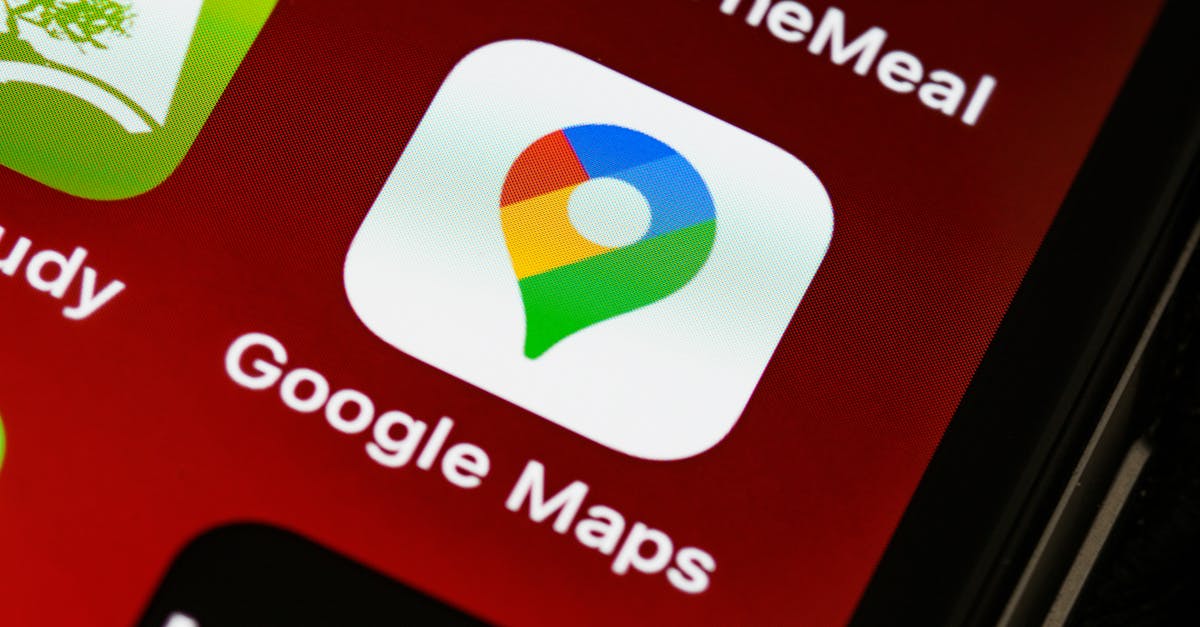
Quick answer: PMax clicks go to your Google Business Profile when the campaign's "Where should people go after clicking your ads?" setting is set to the Google-hosted "Business Profile (optimized for ads)" page instead of your website. That page shows your hours, phone number, photos and reviews, and it tracks calls and directions. It can suit call-driven local services, but those visitors never reach your site. Check the setting and choose on purpose.
Put your organic marketing on autopilot
artiql researches, writes and publishes SEO + GEO content in every language — and turns each article into a video. See it run on your brand.
What is the new PMax Google Business Profile landing page option?
Your Performance Max clicks are landing on your Business Profile because Google has added a setting that lets PMax send ad traffic to a Google-hosted version of that profile instead of your website. When you set up or edit a PMax campaign, Google Ads now asks "Where should people go after clicking your ads?" There are two answers: your website, or "Google Business Profile (optimized for ads)". A Google Ads specialist spotted the option in October 2026 and shared it publicly. Other practitioners pointed out that it isn't entirely new, and that Google seems to be quietly making it available to more accounts. So if an agency or a guided setup flow picked the second option, or you clicked through without reading closely, your paid traffic may be stopping at Google's page rather than yours.
Google builds the page for you automatically. It pulls your location, phone number, opening hours, photos and reviews straight from your Business Profile, so there's nothing to design or write. Only PMax campaigns linked to a Business Profile can use it, which is why it mostly shows up for local and service businesses. Google's sales pitch is measurement. Because the visitor stays inside Google's own environment, calls, direction requests and other location actions can be credited to the ad more cleanly, and that data feeds the bidding algorithm. Google's own help documentation is careful to say the page doesn't replace a business website, but it adds that for some businesses it may be the better landing page. That second sentence is worth reading twice.
Why would Google want this? The cynical answer and the practical one overlap. On the practical side, a mobile searcher who needs a plumber right now doesn't need your About page. A tap-to-call button and a star rating will do. On the strategic side, every click that stays on a Google surface keeps the user, the behavior data and the conversion signal inside Google's ecosystem. It's the same direction we've seen with AI Overviews and AI Mode, which answer questions without sending a click to anyone's site. None of that makes the option bad. It does make it a decision with real consequences for your business, and it deserves more than the two seconds most people give a radio button during campaign setup.
| Your website | Business Profile (optimized for ads) | |
|---|---|---|
| Who hosts the page | You | |
| What visitors see | Whatever you build: services, proof, booking | Location, phone, hours, photos and reviews pulled from your profile |
| Conversion tracking | Your own tags and analytics | Built-in tracking of calls and location actions |
| Who can use it | Any PMax campaign | PMax campaigns linked to a Business Profile |
| Visit shows up in your site analytics | Yes | No |
What do you lose when Google Ads clicks don't go to your website?
When a PMax click lands on the Business Profile page, the visitor never reaches your website, so you lose the content, the data and the long-term value of that visit. You still pay for the click. What you're no longer buying is a session on property you control. The visitor doesn't read your service pages. They don't see the case study that explains why you charge a bit more than the competitor down the road, and they never reach the booking form you spent weeks refining. For a business that wins on trust and explanation, such as a law firm, a clinic or a specialist contractor, that's a real loss. The profile page shows the same few tiles every competitor shows, so the details that set you apart never get a chance to work.
The analytics gap is quieter but just as costly. Those visitors don't appear in your own analytics. Your site tag can't add them to remarketing audiences, and they don't trigger the events your CRM depends on. You get Google's version of what happened: a call here, a direction request there. Calls from the profile can be valuable, but you can't see which page convinced someone, how long they hesitated or what they read before getting in touch. Over a year, that adds up to a lot of visitor data you never collect. Comparing channels also gets harder. Your paid numbers now live in one system and your organic numbers in another, which makes a fair comparison harder just when you need it most.
Then there's the problem that sits under all paid traffic, and this option makes it easier to see. A paid click to your website is rented attention: the moment the budget stops, the visits stop. A paid click to Google's own page is rented attention on rented land. You don't own the page, you don't control its layout, and Google can change what appears on it whenever it likes. Compare that with a service page that ranks organically for "emergency electrician near me". It keeps bringing in visitors month after month without a per-click fee, and every visit builds your domain's authority. If you want to see how that plays out over time, our breakdown of what happens to your traffic when paid ads stop walks through the costs side by side.
When does sending PMax traffic to your Business Profile make sense?
Sending PMax clicks to the Business Profile makes sense when you want a phone call or a visit, the customer decides quickly, and your website adds little beyond what the profile already shows. Think locksmiths, towing services, emergency plumbers, tire shops, takeout restaurants and walk-in clinics. These are businesses where a customer with an urgent need wants proof you're open, nearby and well reviewed, and then wants to call. In those cases, the profile's tap-to-call button, map and reviews arguably do the job faster than a slow-loading site. It also suits a business whose website is genuinely weak: outdated, slow on mobile, with no phone number anyone can find. Paying to send clicks to a bad site wastes money. The profile is at least fast and consistent.
It's the wrong choice when the sale needs explanation, comparison or trust built over several touchpoints. Accountants, lawyers, cosmetic clinics, home renovation firms, B2B services and almost any online store fall into this group. Their customers want to read about pricing, see examples of past work, check credentials and compare options before they commit. A profile page can't carry that weight. It's also a poor fit if you rely on online booking, forms or downloadable guides on your site, if you run remarketing, or if you need clean attribution between channels. And if your reviews are thin or your rating sits below your competitors', a landing page built mostly around reviews will hurt you rather than help you.
Here's our honest take: for most local businesses, the profile landing page is a reasonable thing to test and a poor default. If you're a call-driven service, run it as a controlled experiment with a set budget. Then compare the cost per qualified call against your website version. If your growth plan depends on building a brand people search for by name, keep paid clicks pointed at your site. The profile option is built to get you the next call. Your website is built to get you the next hundred. The test has a hidden benefit either way. If the profile version performs almost as well as your site, your website probably isn't persuading visitors well enough, and it's worth fixing that before you spend another dollar on clicks.
- +Fast tap-to-call and directions for urgent local searches
- +No landing page to build or maintain
- +Built-in tracking of calls and location actions
- −Visitors never see your website or content
- −Visits are missing from your own analytics and site-based remarketing
- −Google controls the page layout, not you
- −Weak reviews become the first thing visitors see
Put your organic marketing on autopilot
artiql researches, writes and publishes SEO + GEO content in every language — and turns each article into a video. See it run on your brand.
How do you check and change where your PMax clicks go?
To check where your PMax clicks go, open the Performance Max campaign in Google Ads, go to the campaign settings, and find the question asking where people should go after clicking your ads. If it's set to "Google Business Profile (optimized for ads)" and you'd rather send people to your site, switch it to your website. Google often changes interface labels while it rolls features out, so if you can't find the setting, check the asset group's final URL and the campaign's linked accounts too. While you're there, confirm which Business Profile is linked and whether anyone linked it on purpose. Agencies and automated setup flows sometimes switch on options that look helpful without explaining the trade-off to the business owner.
If you'd rather test the profile option than dismiss it, keep the comparison fair. Run it for long enough to mean something: a few weeks at minimum, and longer for low-volume accounts. Judge both versions on the same outcome, which should be qualified leads or booked jobs rather than raw conversions. An eight-second call isn't the same as a booked appointment, and the profile page's built-in tracking can make conversion counts look rosier than your bank balance does. Check call quality by tagging calls in your CRM or simply asking new customers how they found you. Compare cost per lead and close rate for each version. If the profile version brings cheaper calls that close just as well, keep it for that campaign. If it doesn't, switch back.
Whichever setting you choose, your Business Profile now matters more. It can be your organic storefront on Google Maps and a paid landing page at the same time. That makes the basics more important. Use accurate categories and real opening hours, including holidays. Keep current photos of your actual premises and team. Write a description for customers rather than stuffing it with keywords, and keep fresh reviews coming in steadily. Reviews do two jobs at once: they persuade the visitor and they help your local rankings. We've covered how review count, rating and recency shape local rankings separately, including a simple routine for asking for reviews without paying for reputation software. A well-kept profile pays off whether or not you ever spend a cent on PMax.
How can a local business earn the same visibility without paying per click?
A local business can earn much of the same visibility organically by pairing a well-kept Business Profile with a website that ranks for local service searches and gets cited in AI answers. The Map Pack, the local organic results and AI assistants all look at overlapping signals. Those include relevance, distance, prominence, reviews, and clear, consistent information about what you do and where you do it. Ads let you skip the queue for a fee. Organic local SEO takes longer to build, but once your profile and pages rank, the calls they bring in cost you nothing extra. That's the core trade-off. It's why we think most local businesses spend too much on paid search early on and too little on the organic presence that could eventually replace much of that spend.
In practice, that means a page for each core service and each area you genuinely serve. Write each one to answer the questions customers actually ask: how much it costs, how long it takes, whether you cover their suburb, and what happens on the first visit. Put the answer in the opening lines of each section so Google and AI assistants can quote it easily, and add a short FAQ. That's the same structure that helps pages show up in question-led search results and AI answers. Keep your business name, address and phone number identical across your site, your profile and online directories. Add local proof: photos of real jobs, named neighborhoods, and testimonials that mention the service. Then link your profile to your most relevant page, not just your homepage.
AI answers are where this gets interesting. When someone asks ChatGPT, Gemini or Google's AI Mode for a reliable dentist nearby, the assistant relies on sources it can read and trust: your site, your profile, your reviews and mentions elsewhere. Ads are starting to appear in those answers too, as we explain in our piece on ads inside Google AI Mode. Still, being cited inside the answer counts for more than a sponsored slot beneath it. You can check how ready your pages are with our free GEO score tool, or see whether SEO works out cheaper than Google Ads. Artiql writes and publishes local, answer-first content on autopilot. Pricing is set after a short call, so book a free demo to see the plan for your business.
Frequently asked questions
Can Search campaigns send clicks to the Business Profile page too?
From what Google has described so far, it's a Performance Max setting, and it only works for PMax campaigns linked to a Business Profile. Standard Search campaigns still send clicks to your final URL, although location assets can show your address and a call button alongside the ad. Google rolls features out gradually, so check your own account settings rather than assuming. Availability can differ between accounts and regions.
Will turning the option off hurt my PMax performance?
It may change the conversion numbers you see. The profile page tracks calls and direction requests on its own, while your website relies on your own tracking tags. That doesn't mean real results will drop. Before you switch, make sure call tracking and form conversions are set up properly on your site so the bidding algorithm still gets good data. Then judge the change on leads and booked jobs over several weeks, not on the first few days.
Do ad clicks to my Business Profile help my organic Maps ranking?
There's no confirmed evidence that paid clicks to the profile page improve your organic local rankings, so don't buy ads on that assumption. Organic Map Pack positions depend on relevance, distance and prominence. Reviews, accurate categories and a strong linked website all add to prominence. Put your effort into those directly, because they keep working long after any ad budget runs out.
Should a new business with few reviews use this option?
Usually not. The profile page puts your rating and reviews front and center, so a brand-new listing with two reviews makes a thin landing page. Send early paid traffic to a focused page on your website with a clear offer, some proof and a visible phone number. Spend the first few months collecting genuine reviews and publishing service pages. Once your profile looks as strong as your competitors', the option is worth testing.
Put your organic marketing on autopilot
artiql researches, writes and publishes SEO + GEO content in every language — and turns each article into a video. See it run on your brand.