Do ChatGPT ads with CTA buttons steal citation clicks?
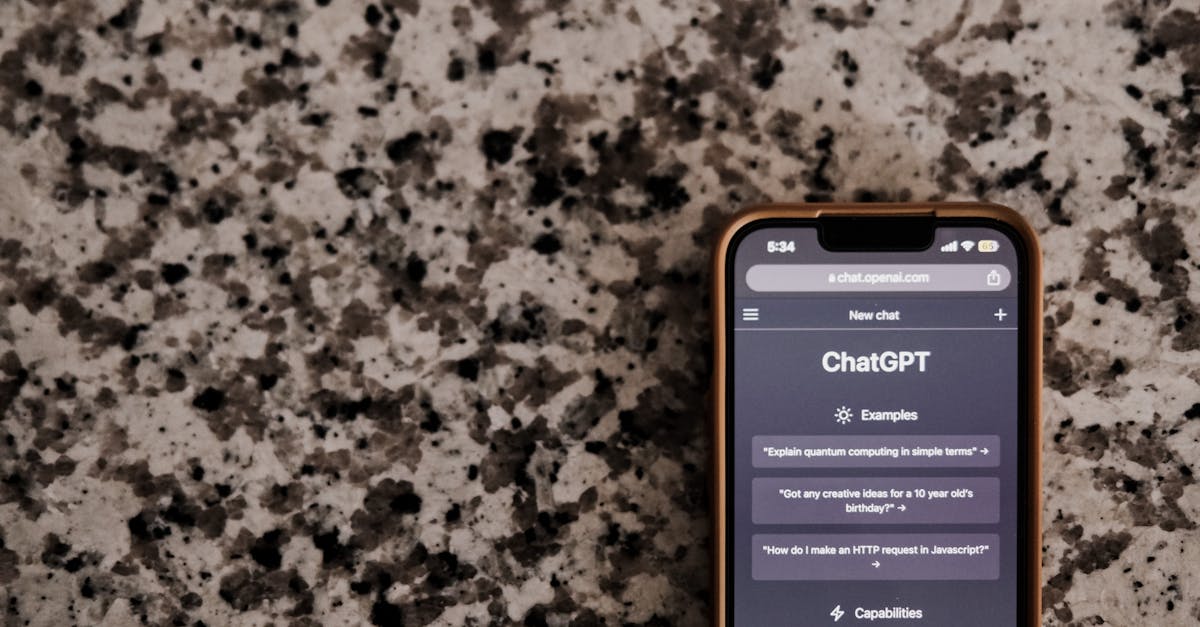
Quick answer: Some clicks, yes, but rarely the ones that matter most. ChatGPT is testing a clickable CTA button inside its ads, which makes the sponsored card below an answer easier to tap. The ad still sits after the response, though. Citations sit inside it and shape what the reader believes. For most businesses, earning the citation is the more lasting move, because an ad only rents attention while the budget lasts.
Put your organic marketing on autopilot
artiql researches, writes and publishes SEO + GEO content in every language — and turns each article into a video. See it run on your brand.
Where does a ChatGPT ad sit next to organic citations?
A ChatGPT ad sits below the answer in its own labeled box. Organic citations sit inside the answer, attached to the claims the model makes. That difference in placement explains most of what follows. A citation appears while the reader is still taking in the information, right next to the recommendation, the comparison, the price range or the how-to step. The ad appears after the reader has already formed an impression from the response. It's like the difference between being quoted in an article and buying the banner at the bottom of the page. Both get seen. Only one is part of the reasoning the reader just accepted, and in a chat interface that reasoning is what people came for. Ads that look more like links don't change where the trust sits.
The two also behave differently over time. Ads are sold at auction. You can pay per thousand impressions or per click, or optimize for conversions, and the ad only shows when your targeting matches the conversation and your budget is live. Citations work another way. The model picks pages it can find and trust: pages that answer the question clearly, include current, specific facts and come from sources with a track record on the topic. You can't buy a citation, and OpenAI says advertising doesn't affect the answer. That's good news for organic marketers. On paper, at least, a place in the answer is earned on merit, and the content you publish today can keep getting cited long after it goes live.
One more detail matters here: many of ChatGPT's most valuable users never see ads at all. Anyone on Plus, Pro or a business plan gets an ad-free experience. Picture a finance lead researching accounting software on a company Enterprise seat. In buying journeys like that, organic citations are the only way your brand shows up. Ads also launched in the US first, so if you sell in other markets or languages, check whether ads even reach your audience before you plan around them. For a closer look at the trade-offs between paid placement and earned mentions, see our guide to paying for ChatGPT ads versus getting cited for free. The short version: one costs money every month, and the other gets more valuable the longer you invest in it.
| Factor | ChatGPT ad | Organic citation |
|---|---|---|
| Placement | Labeled card below the response | Inside the answer, next to the claim |
| How you get it | Auction through Ads Manager or partners | The model chooses pages it can find and trust |
| Cost model | Bids per impression, per click or for conversions | No media spend; the investment is content |
| Who sees it | Logged-in adult Free and Go users (US at launch) | Any user, including ad-free paid plans |
| When it stops | When the budget or campaign ends | Lasts as long as the content stays relevant and accurate |
Put your organic marketing on autopilot
artiql researches, writes and publishes SEO + GEO content in every language — and turns each article into a video. See it run on your brand.
Why do ChatGPT citations keep working after ad spend stops?
Citations keep working after ad spend stops because they're tied to content you own, not to a campaign you're renting. When a ChatGPT ad budget runs out, the card disappears that same day. Nothing carries over, and you have nothing lasting to show for the spend. A strong page that the model trusts works differently. It can be found and cited for months across hundreds of related prompts. It also ranks on Google and Bing, which AI assistants often rely on when they search the web for fresh information. Every page you add on a topic helps the others, so your cost per visit falls over time instead of starting over each month. Paid ads simply can't build up value like that.
That doesn't make organic free. Earning citations takes real work: research, writing, updating pages when facts change, covering a topic in depth, and waiting weeks or months before results show. Paid ads give you things organic can't: speed, precise targeting and a predictable number of impressions from day one. The fair comparison is cost per lead over a year, not cost per click in the first month. On Google, the math often favors organic once your content starts ranking, and you can run the numbers for your own business with our 12-month SEO vs Google Ads cost comparison. To see what better rankings might be worth, the SEO traffic calculator gives you a quick rough estimate based on your own keywords.
Sometimes testing ChatGPT ads is the right call. If you're launching a new product and have no content yet, an ad can buy visibility while your organic pages catch up. If you're running a time-sensitive offer, like a seasonal sale or a short booking window, a Book now or Shop now button fits the moment well. And if your margins can absorb it and most of your audience is US consumers on free plans, a small test budget will show you how ChatGPT users behave in your category. Just treat ads as an extra with an end date, not as your whole plan for AI visibility. The day you pause the campaign, your only presence in ChatGPT's answers is whatever the model chooses to cite.
- +Visible from the day the campaign goes live
- +CTA buttons built for bookings, sign-ups and purchases
- +Targeting based on conversation context, not keywords
- −Visibility stops the moment the budget stops
- −Not shown to Plus, Pro, Business, Enterprise or Education users
- −Sits below the answer, outside the model's reasoning
- −Launched in the US first, so reach elsewhere may be limited
How do you get cited in ChatGPT and keep it?
To get cited in ChatGPT, publish pages that answer specific questions directly, back them with concrete, up-to-date facts and make them easy for AI crawlers to read and quote. The model looks for the clearest, most trustworthy passage to support what it says, so write for that moment. Open every page with a one- or two-sentence answer to the question in its title. Phrase headings the way people actually ask, keep paragraphs short and include specifics: prices people can check, steps, timeframes, clear conditions. Vague, brochure-style copy rarely gets quoted because there's nothing in it to quote. A page that says "we offer quality service" gives the model nothing to use. A page that explains what a first consultation includes and how long it takes gives it a reason to cite you.
Next, clear the technical blockers. Check your robots.txt to make sure you aren't accidentally blocking OpenAI's crawlers (GPTBot for training and OAI-SearchBot for search) or other AI crawlers you want to reach, such as ClaudeBot and PerplexityBot. Make sure your key content is in the page's HTML and not hidden behind heavy scripts, tabs or logins. Keep pages indexed and ranking on Google and Bing, because AI assistants rely on search results to find information in real time. Add structured data where it fits. Keep your business name, address, author details and services the same everywhere they appear online. Change the date on a page only when you've actually changed the content. Our free GEO score tool can flag the most common gaps in a few minutes.
Getting cited once is the easy part. Keeping the citation is where most businesses slip. Answers change as the model finds newer or clearer sources, so treat your best pages as things you maintain, not things you publish once and forget. Review them every quarter, refresh numbers and examples, and add sections when customers start asking new questions. Build groups of related pages, not one-off posts: ten connected pages on one topic show far more expertise than a single long article. Test regularly by asking ChatGPT the questions your customers ask and noting who gets cited. If you'd rather not run that routine by hand, Artiql publishes and maintains this kind of content on autopilot, and pricing is set for each business after a short call, so book a quick demo to see what it would look like for yours.
Frequently asked questions
Can I pay to be cited in ChatGPT?
No. OpenAI says ads are kept separate from responses and don't influence what ChatGPT says, so buying a sponsored card won't get you inside the answer. Ads appear in a labeled box below the response. The model chooses citations based on what it can find and trust, so the only way into the answer is to publish clear, accurate, well-organized content that search engines and AI crawlers can reach.
What CTA labels are ChatGPT ads testing?
The earlier tests, which started in May 2026, used four labels: Shop now, Book now, Sign up and Learn more, alongside a larger image. Reports differ on whether advertisers can pick the label or whether it's chosen automatically based on the ad and its landing page. The October sighting shows a CTA styled with a dotted underline and an arrow. These are tests on a small set of ads, so the formats may change.
Who sees ads in ChatGPT?
At launch on February 9, 2026, ads went to logged-in adult users in the US on the Free and Go tiers. People on Plus, Pro, Business, Enterprise and Education plans don't see ads. That matters most for B2B brands: many professional buyers work on paid workplace plans, so an organic citation may be the only way they ever come across your business inside ChatGPT.
How long does it take to get cited in ChatGPT?
There's no fixed timeline, and anyone promising a date is guessing. Pages that are already indexed and ranking on Google or Bing can start showing up in ChatGPT's search-based answers fairly quickly once they answer a question clearly. Getting cited consistently across a whole topic usually takes months of steady publishing and updating. The upside is that, unlike an ad campaign, that visibility doesn't disappear when you stop paying.
Put your organic marketing on autopilot
artiql researches, writes and publishes SEO + GEO content in every language — and turns each article into a video. See it run on your brand.